Perched atop Nakkerd Hill, this magnificent 45-metre marble statue is one of Thailand's most revered and visually stunning landmarks. Whether you come for spiritual reflection or breathtaking panoramic views, few experiences in Phuket rival a visit to this hilltop sanctuary.
Featured Tour
The ATV Tour in Phuket with Jungle Trails and Big Buddha Viewpoint puts you in the saddle of a powerful Polaris Phoenix 200cc quad bike for an unforgettable ride through Phuket's southern countryside. Small groups, full safety instruction, and a helmet are provided before you set off along natural tracks cutting through dense rubber plantations. Your experienced guide leads the way, introducing you to local forest workers, native plant species, and the raw beauty of unspoiled terrain. The adventure culminates at the island's legendary white marble statue, where you pause to absorb centuries of history and enjoy breathtaking ocean vistas across the Andaman Sea. Multiple duration options suit every schedule, and convenient hotel pick-up and drop-off mean the only thing you need to worry about is having fun.
About the Destination
Nakkerd Hill sits at the heart of southern Phuket, placing this iconic statue within easy reach of the island's most beloved beaches. Its elevated position means it's visible from many parts of Phuket — a constant, calming presence on the skyline.
The Big Buddha Phuket stands atop Nakkerd Hill, roughly 400 metres above sea level in the Karon sub-district of southern Phuket. It sits conveniently close to several of the island's most popular beach destinations — Kata and Karon beaches lie just minutes away, while the temple town of Chalong is a short drive down the hillside road. The access road winds steeply up through jungle-covered slopes, rewarding visitors with increasingly dramatic views as they ascend toward the hilltop complex.
Construction of the monument began around 2002, partly inspired by a desire to create a lasting symbol of peace for Phuket. The project gained renewed momentum after the devastating 2004 Indian Ocean tsunami, with donations pouring in from Thai citizens, Buddhist communities, and international visitors alike. Built over a concrete frame clad in Burmese white jade marble, the statue's official name is Phra Phuttha Ming Mongkol Ekkhanakiri, meaning 'the auspicious Buddha of this mountain.' It was recognised as a Buddhist Treasure of Phuket long before its formal completion.
Visiting the hilltop sanctuary is a genuinely moving experience, whether you are a devout Buddhist, a curious traveller, or simply someone seeking extraordinary views. Smaller statues, golden bells, inscribed tiles donated by visitors worldwide, and fragrant incense fill the terraced grounds. A meditation centre and resident monks add an authentic spiritual atmosphere. Sarongs and shawls are available at the entrance for those who need them, and staff are welcoming and helpful. Sunset visits are especially memorable, when the marble statue glows amber against a fading sky.
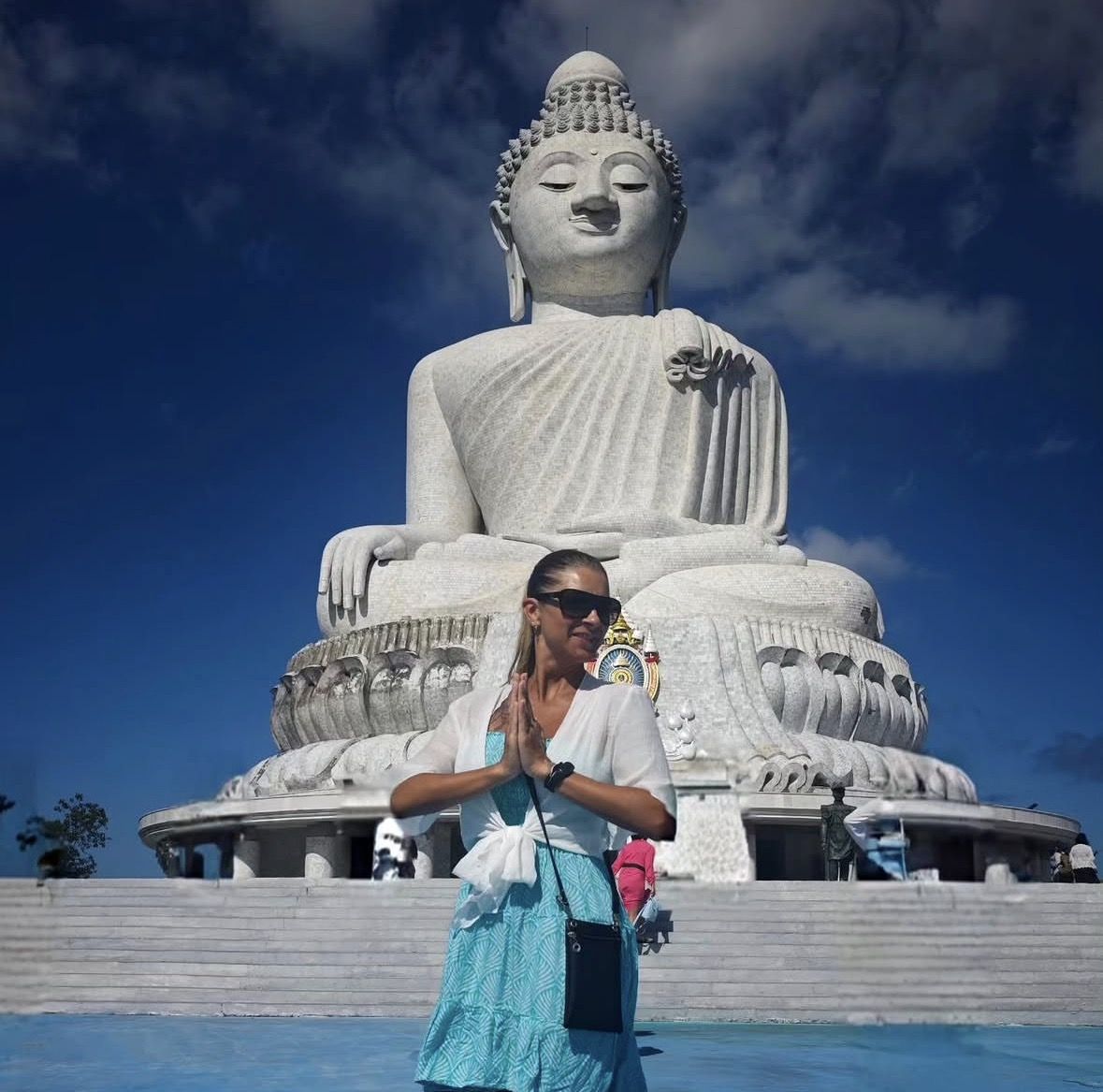
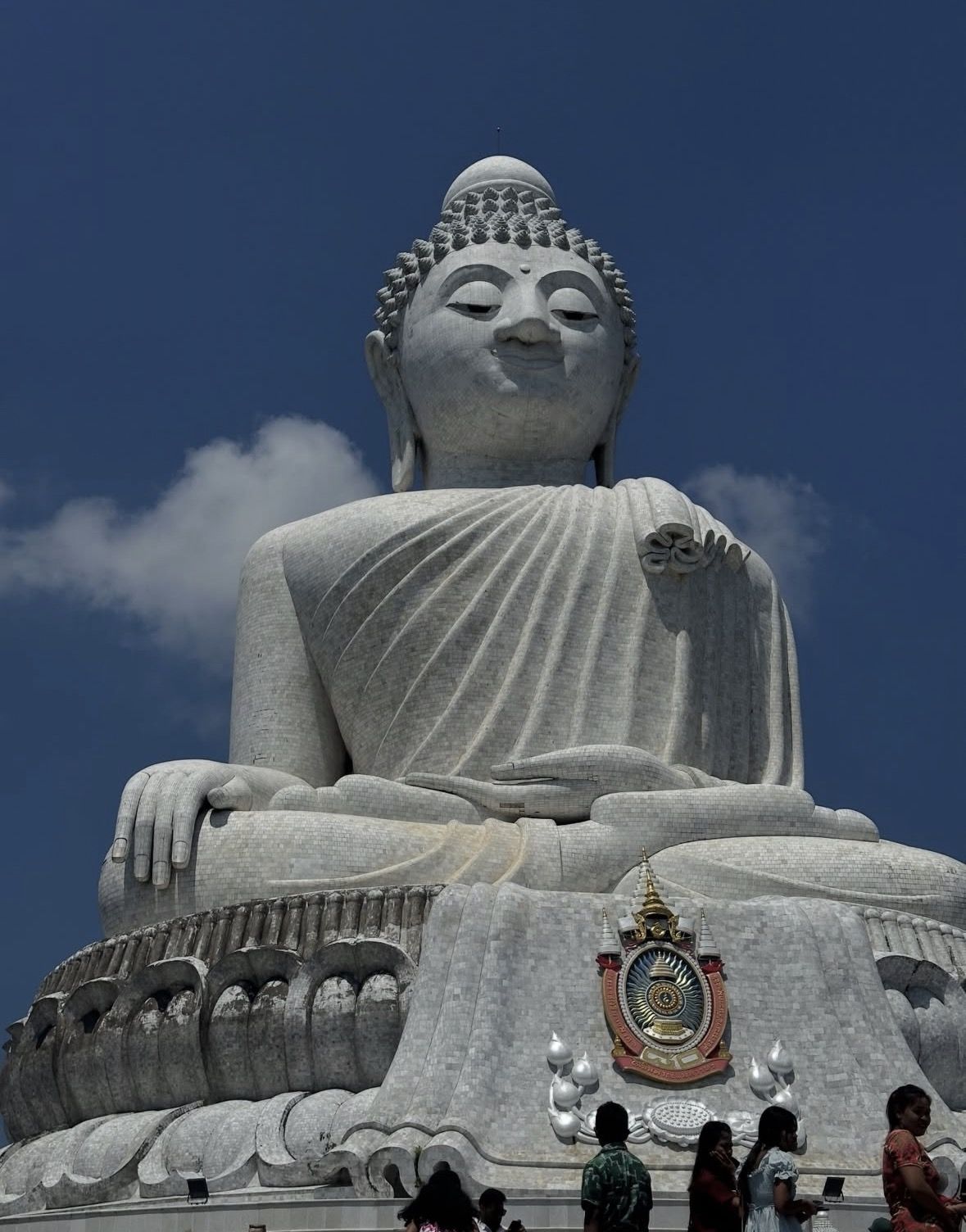
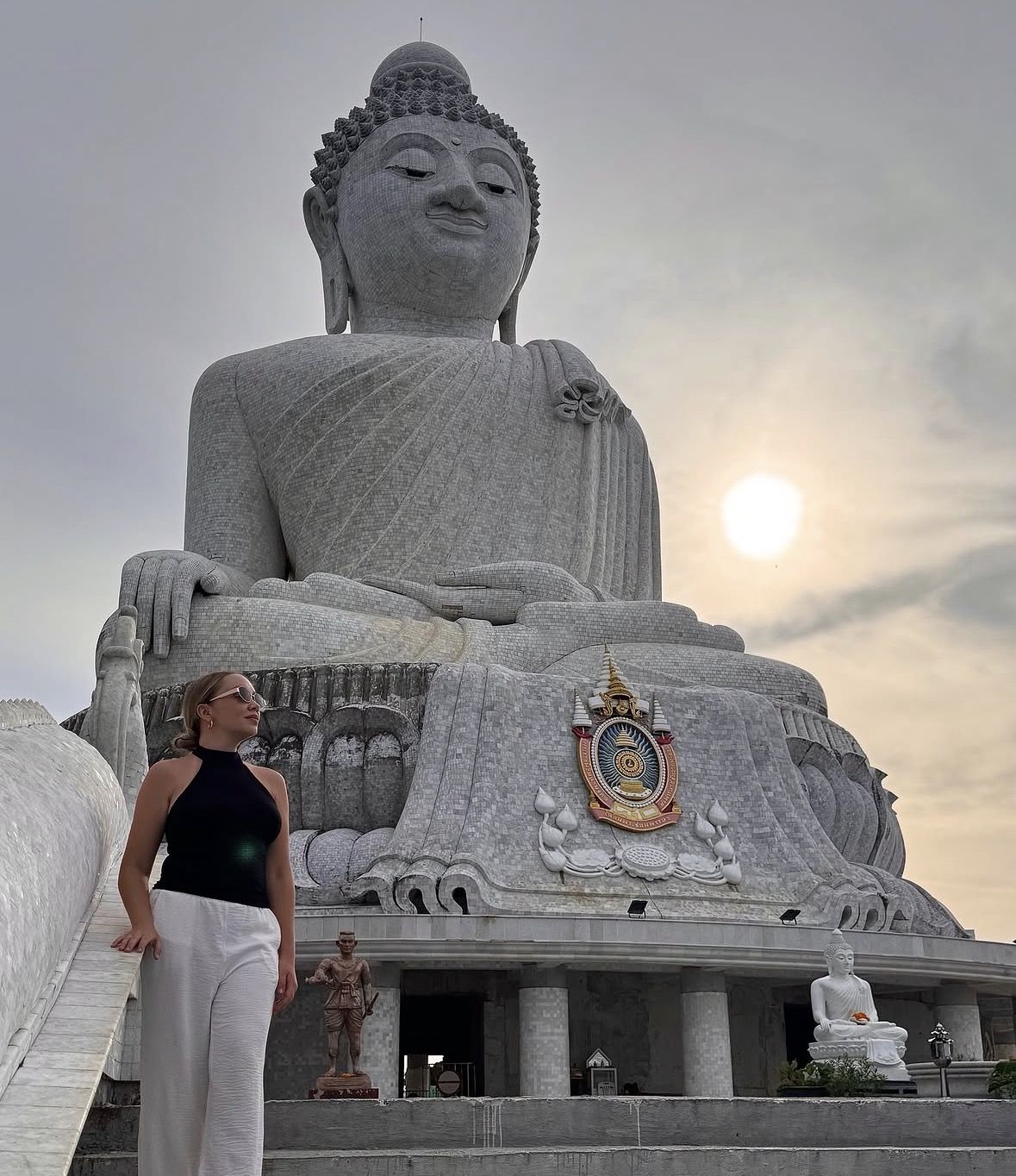
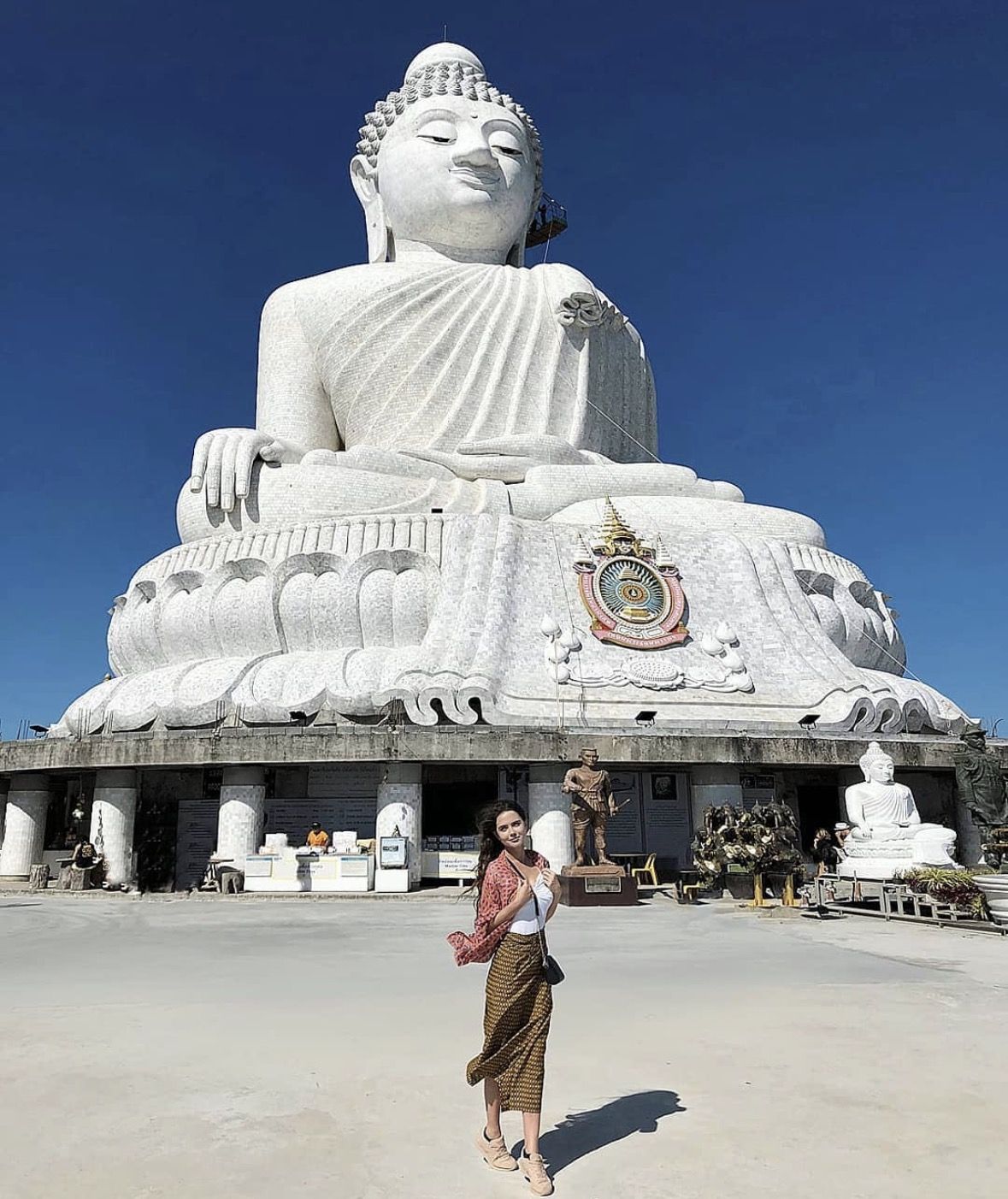
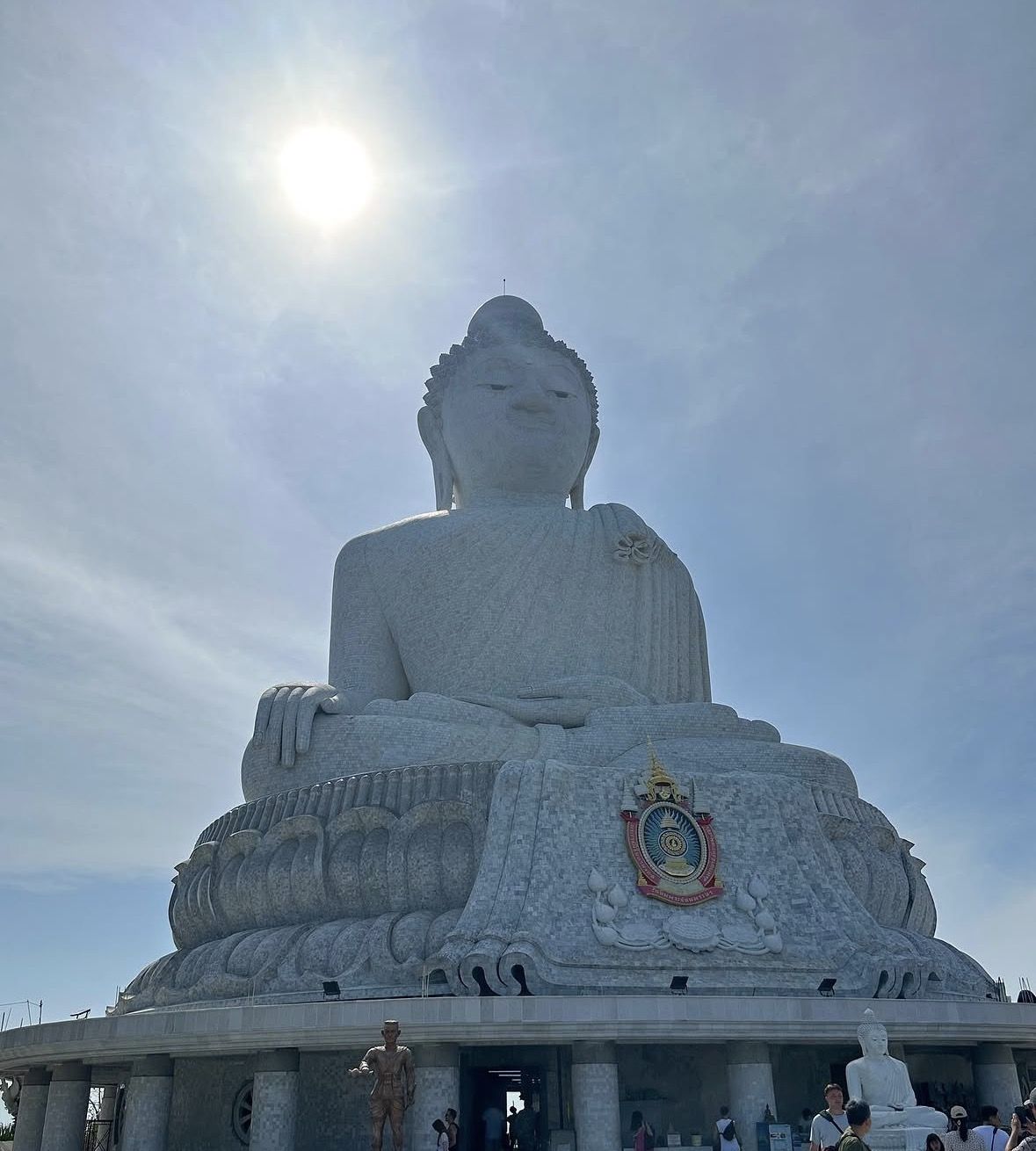
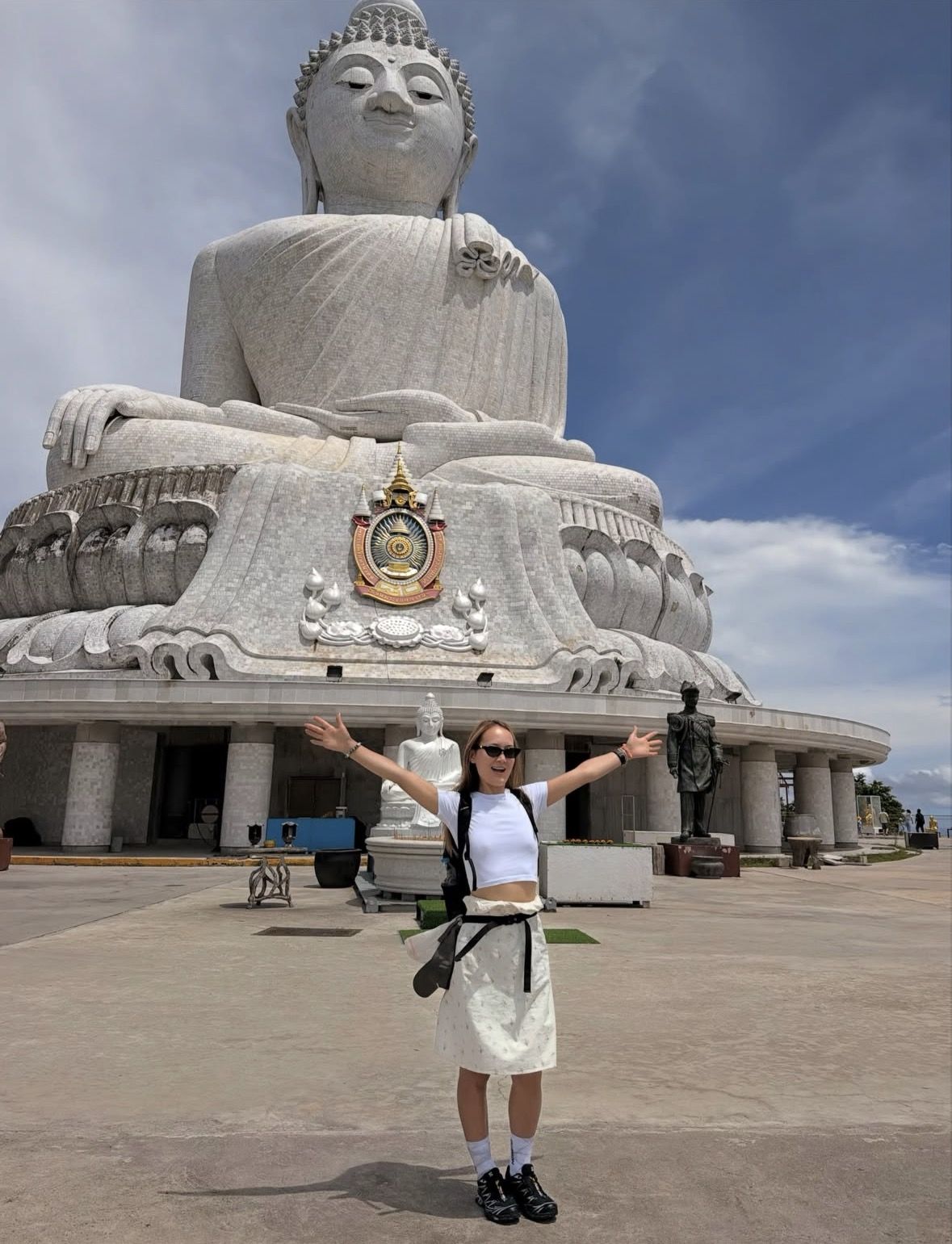
The statue stands 45 metres tall, making it one of the largest Buddha images in Thailand. Its sheer scale is awe-inspiring even before you reach the hilltop platform.
The outer surface is clad in Burmese white jade marble tiles, carefully fitted over a reinforced concrete core. On clear days the marble shimmers brilliantly in the tropical sunlight.
Donations surged after the devastating 2004 tsunami, transforming the project into a powerful symbol of resilience and communal healing for the people of Phuket and beyond.
Visitors and devotees from around the world have purchased inscribed marble tiles that form part of the statue's surface, making it a collective work of faith and generosity.
The monument received the official recognition of 'Buddhist Treasure of Phuket,' cementing its status as a site of deep spiritual and cultural significance for the island.
Resident monks, a working meditation centre, and regular religious ceremonies ensure the hilltop remains an active place of worship, not merely a tourist attraction.
The hilltop platform offers arguably the finest sunset vantage point in southern Phuket, with unobstructed views across the Andaman Sea and surrounding islands. Arrive early or at golden hour for the most dramatic light and smaller crowds.
Photographers flock here for sweeping panoramas of Chalong Bay, Kata Beach, Karon Beach, and the patchwork of jungles and resorts below. The marble statue itself makes a striking subject from every angle and elevation along the access path.
The on-site meditation centre welcomes visitors who wish to sit quietly and absorb the peaceful atmosphere. The sound of wind chimes, the scent of incense, and the presence of monks create a genuinely calming environment.
Beyond the main statue, the hilltop grounds include smaller Buddha images, prayer halls, garden terraces, and ornately decorated shrines. Each corner reveals new details and offers fresh perspectives of the surrounding landscape.
The winding road to the summit passes through lush jungle canopy and offers tantalising preview glimpses of the statue as you climb. Many visitors find the drive itself an enjoyable part of the overall experience.
A small market near the base and food stalls at the summit sell fresh coconuts, Thai snacks, and handmade souvenirs. It's a perfect spot to sample local flavours before or after your visit to the temple complex.
Weighing up iconic Buddhist landmarks across Southeast Asia to help you plan the perfect cultural itinerary.
Southeast Asia is home to extraordinary Buddhist monuments, and travellers often wonder how The Big Buddha Phuket stacks up against other iconic statues and temple complexes in the region. Whether you're planning a single-country trip or a multi-destination journey, understanding the differences in crowd levels, cost, and atmosphere can make all the difference. This table highlights four standout landmarks so you can choose the experience that best suits your travel style, spiritual interests, and available time.
| Crowds | Price | Best For | What Sets It Apart | |
|---|---|---|---|---|
| ★ The Big Buddha Phuket | Moderate — busiest midday, quieter at sunrise/sunset | Free entry; donations optional | Panoramic views, spiritual atmosphere, photography | Hilltop location with 360° sea views over Andaman coastline |
| Wat Pho Reclining Buddha, Bangkok | Very high — one of Bangkok's busiest temples year-round | Paid entry (~200 THB) | Intricate temple architecture, religious history, city visits | 46-metre gilded reclining statue in a richly decorated urban temple |
| Tian Tan Buddha, Hong Kong | High — especially on weekends and public holidays | Free (cable car costs extra) | Dramatic hilltop setting, cable car ride, nearby monastery | 34-metre bronze statue on Lantau Island accessible by scenic cable car |
| Buddha Park (Xieng Khuan), Vientiane | Low — a peaceful, off-the-beaten-path experience | Small entrance fee (~5 USD) | Quirky sculpture garden, offbeat cultural exploration | Surreal riverside park of 200+ Hindu and Buddhist statues with unique artistic vision |
Each of these landmarks offers something distinct, but The Big Buddha Phuket holds a special advantage: the combination of free access, a breathtaking natural hilltop setting, and a living spiritual community creates an experience that feels both grand and intimate. For travellers who want iconic scale, authentic Thai Buddhist culture, and unbeatable coastal panoramas all in one visit, this Phuket landmark is genuinely hard to beat.
Travel Guide
Everything you need to plan a seamless, rewarding visit to this iconic Phuket hilltop landmark.
Phuket is served by Phuket International Airport (HKT) in the north of the island, with direct flights from Bangkok, Kuala Lumpur, Singapore, and many European hubs. From the airport, a taxi or pre-booked transfer to the Karon/Kata area takes around 45 to 60 minutes depending on traffic. Most visitors base themselves in central or southern Phuket, making the hilltop monument an easy half-day or add-on excursion from any of the major beach resorts.
From central Phuket Town the drive to the hilltop site takes roughly 20 to 30 minutes by car. Grab (Southeast Asia's ride-hailing app) is the most convenient and affordable option, though it's wise to arrange a return pick-up in advance as signal can be patchy at the summit. Motorbike taxis are available from Chalong Circle and are popular with solo travellers. Some visitors rent a scooter and enjoy a scenic self-guided ride up the winding access road.
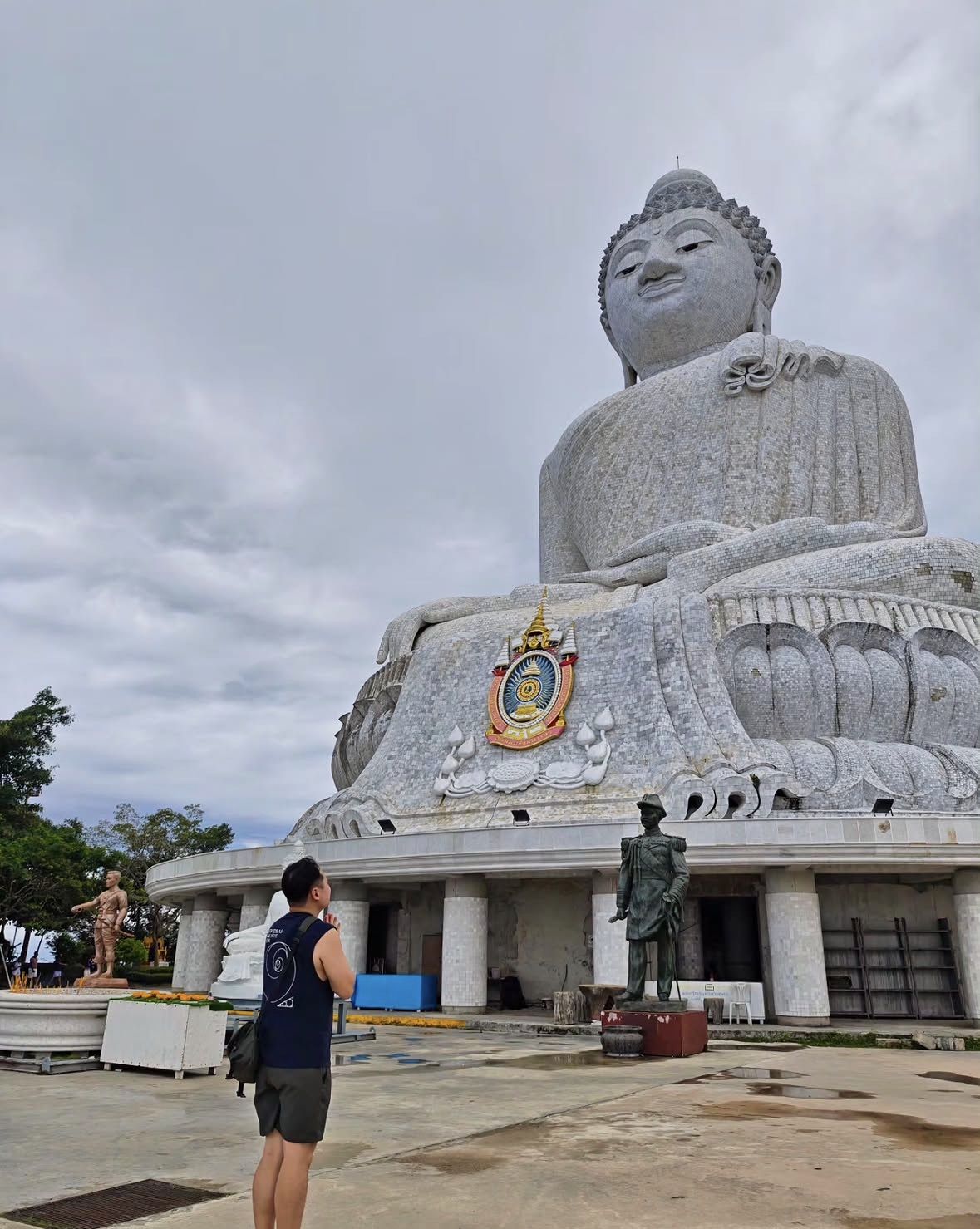
The ideal months to visit are November through April, during Phuket's dry season. Skies are clear, humidity is lower, and the views from the hilltop are at their most spectacular — you can see far out across the Andaman Sea to distant islands on a clear day. This period coincides with peak tourist season, so expect more visitors, particularly between Christmas and late February. For fewer crowds while still enjoying good weather, aim for early November or late April.
May through October brings the southwest monsoon, delivering heavy afternoon rain showers and occasionally dramatic cloud formations around the hilltop. Morning visits during this season can still be rewarding — the landscape turns a vivid green and the site is noticeably quieter. However, visibility from the summit can be limited on overcast days. Whatever the season, the hilltop is significantly cooler and windier than the beaches below, so a light layer is appreciated regardless of the time of year.
Packing thoughtfully for a hilltop temple visit will make your experience far more comfortable. The walk from the car park to the summit platform, while not long, involves steps and an incline — comfortable footwear is a priority. Sun protection is essential as the open hilltop terrace has limited shade, and the tropical sun is intense even on cloudy days. A small daypack with water and a camera is all most visitors really need for a half-day outing.
Respectful attire is mandatory at this active Buddhist site. Shoulders and knees must be covered, and sarongs or shawls are available to borrow or purchase at the entrance if needed. Lightweight, breathable fabrics are ideal — linen or moisture-wicking clothing will keep you cool during the uphill walk. Footwear must be removable at certain shrines, so sandals or slip-on shoes are more practical than tightly laced trainers.
This is an active Buddhist temple, not merely a scenic attraction — respectful behaviour is both expected and appreciated. Speak quietly, dress modestly, and remove your shoes where indicated. Photography is generally permitted throughout the grounds, but always check before pointing a camera directly at monks or during ongoing ceremonies. Small donations are a meaningful way to contribute to the monument's ongoing construction and maintenance, and inscribed tiles can be purchased as a unique and personal souvenir.
Phuket's currency is the Thai Baht (THB) — bring small denomination notes for donations, snacks, and market stalls around the site. ATMs are available in Chalong and Kata nearby. The food stalls near the summit offer affordable Thai snacks and refreshments, but dining options are limited on-site, so consider eating before or after your visit. English is widely spoken by staff and vendors. Tipping drivers and guides is customary and always appreciated.
Thailand requires no mandatory vaccinations for most nationalities, but the UK, US, and Australian health authorities recommend being up to date on hepatitis A, typhoid, and tetanus before travelling to Southeast Asia. Dengue fever is present in Phuket — use insect repellent, particularly during the wet season. Travel insurance that covers medical evacuation is strongly recommended. Phuket has several well-equipped international hospitals, including Bangkok Hospital Phuket and Mission Hospital, should any medical attention be needed.
The hilltop site is generally very safe for visitors, but a few practical precautions are worth keeping in mind. The access road is steep and narrow — drive carefully if self-driving, especially in wet conditions. The steps to the main platform can be slippery after rain. Petty theft is rare but sensible precautions apply: keep valuables secure and don't leave bags unattended. The emergency number in Thailand is 191 for police and 1669 for medical services. The Tourist Police can be reached on 1155.
Explore More
Pair your visit with these exceptional nearby attractions to make the most of your time in southern Phuket.
The ATV Tour in Phuket with Big Buddha Visit combines heart-pumping off-road riding with a genuine cultural encounter at one of Thailand's most revered landmarks.
Check this tour →The ATV Tour in Phuket with Jungle Trails and Big Buddha Viewpoint puts you in the saddle of a powerful Polaris Phoenix 200cc quad bike for an unforgettable ride through Phuket's…
Check this tour →The Amazing Private Phuket Island Tour Including Big Buddha is the ultimate way to discover everything this tropical island has to offer without the crowds.
Check this tour →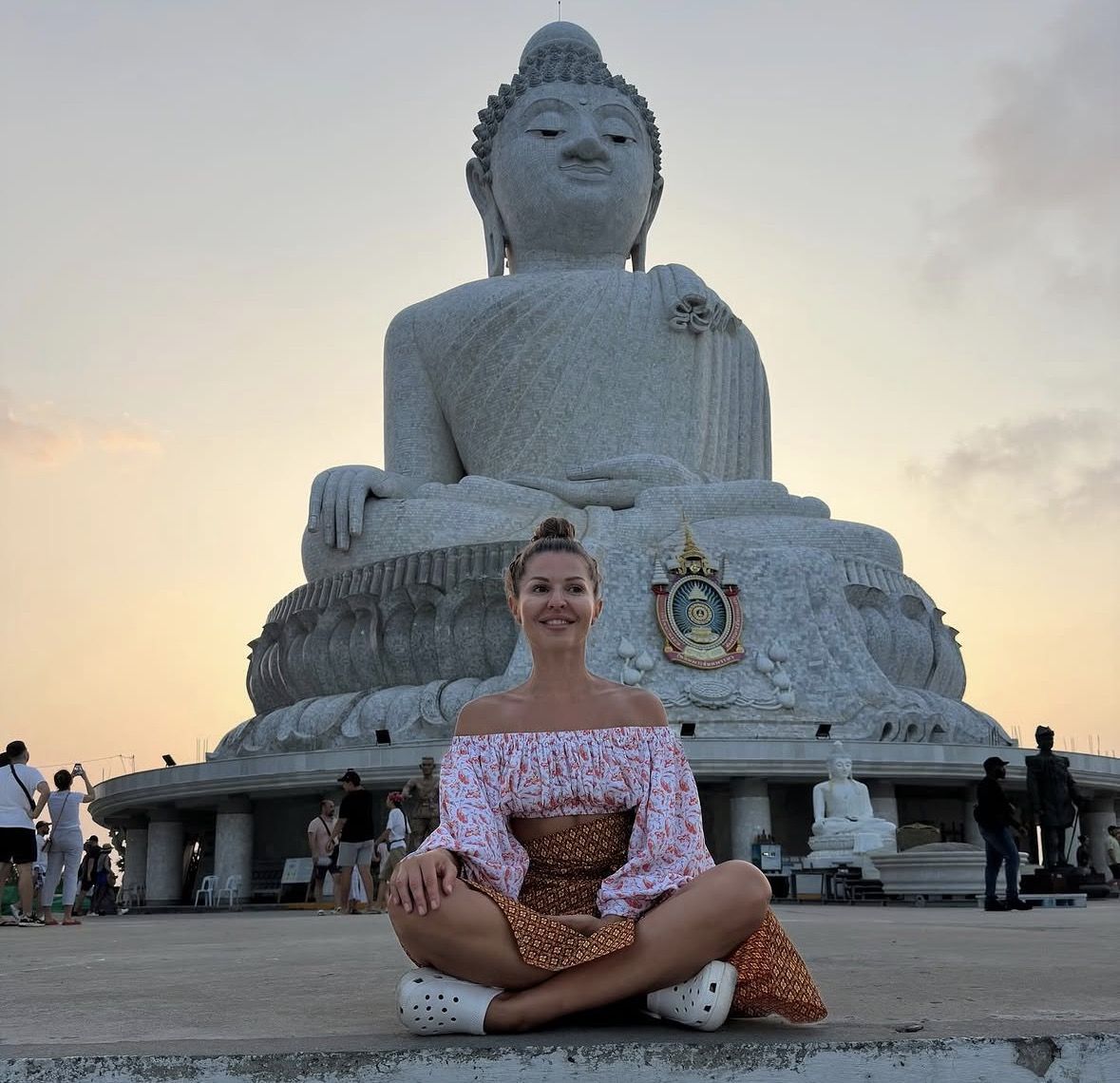
The Phuket City Tour with Wat Chalong, Big Buddha & Famous Viewpoints is your ultimate introduction to everything that makes this island extraordinary.
Check this tour →Traveler Reviews
Travellers share their experiences visiting The Big Buddha Phuket, one of Thailand's most awe-inspiring landmarks.
"Visiting this magnificent hilltop statue was genuinely one of the highlights of our entire Thailand trip. The panoramic views over Chalong Bay and the Kata and Karon beaches were absolutely breathtaking, especially just before sunset. We wore comfortable clothes that covered our knees and shoulders, and staff were very welcoming and respectful. I'd strongly recommend booking a guided tour so you get the full historical and spiritual context — it made the experience so much richer."
"We arrived early in the morning and had the whole terrace almost to ourselves, which felt incredibly peaceful and special. The sheer scale of the white marble statue is hard to appreciate until you're standing right beneath it. There's no entrance fee, though we happily left a donation to support the ongoing construction work. Honestly one of the most memorable spiritual sites I've ever visited anywhere in Southeast Asia."
"A truly impressive landmark that absolutely deserves a visit during any Phuket holiday. The climb up Nakkerd Hill by motorbike was fun and the views at the top were stunning on a clear day. It did get quite busy by mid-morning, so I'd suggest arriving before 9am if you want a quieter experience. One star off only because parking was a little chaotic when we visited during peak season."
"We joined a half-day tour that included the Big Buddha along with Wat Chalong and a few other southern Phuket highlights — it was brilliant value and incredibly well organised. Our guide explained the history behind the statue's construction, which started around 2004 and has been funded entirely by public donations, which I found really moving. The smaller surrounding shrines and golden statues add so much to the atmosphere of the complex. Dress modestly and you'll be welcomed with genuine warmth."
"I've been to Phuket three times now and this remains my favourite stop on the island without question. The 45-metre Burmese white marble statue gleams in the sunlight and looks almost otherworldly against the blue sky. Walking around the terrace and taking in views in every direction is something I could have done for hours. If you're staying near Kata or Karon, it's only a short ride away and completely worth every minute."
"A wonderful and spiritually calming place to visit, even if you're not Buddhist yourself. The site feels genuinely sacred rather than overly commercialised, which is refreshing for such a popular tourist destination. Sarongs and shawls are available at the entrance for those who need to cover up, which is a thoughtful touch. Arriving by Grab was easy, though make sure you arrange your return ride before heading up as taxis can be scarce at the top."
"The experience of standing at the top of Nakkerd Hill with that enormous gleaming statue behind you and the entire southern coastline stretched out ahead is simply unforgettable. We visited during a slightly overcast afternoon and the soft light actually made the photos look incredible. The monks, bells, and fragrant incense burning around the complex added a really authentic atmosphere. I'd say this is an absolute must-see and should be on every Phuket itinerary without exception."
"We combined our visit to The Big Buddha Phuket with a stop at Wat Chalong on the same morning, which worked perfectly as both are close to each other in southern Phuket. The entrance is completely free, which feels generous given how well-maintained the entire complex is. There are lovely little stalls selling handmade souvenirs near the base if you want to take something meaningful home. A genuinely moving and beautiful experience that we'll remember for years."
Watch Before You Go
Watch stunning footage of the hilltop statue, the panoramic views, and the vibrant temple complex before you arrive.
Location
The Big Buddha Phuket is located on Nakkerd Hill, Karon Sub-district, Mueang Phuket District, Phuket 83100, Thailand.
FAQ
Everything you need to know before visiting this iconic hilltop landmark in southern Phuket.
Ready to experience one of Thailand's most iconic landmarks for yourself?
Book Your Tour NowDiscover More
What began as a modest community initiative around 2002 evolved — accelerated by the tragedy of the 2004 tsunami — into one of Thailand's most recognisable monuments, funded entirely by public donations. The story of its creation is as compelling as the statue itself, weaving together faith, resilience, and the collective spirit of an entire island.